
Solar PV for Warehouses and Factories: Turning Roof Space into Long-Term Energy Strategy
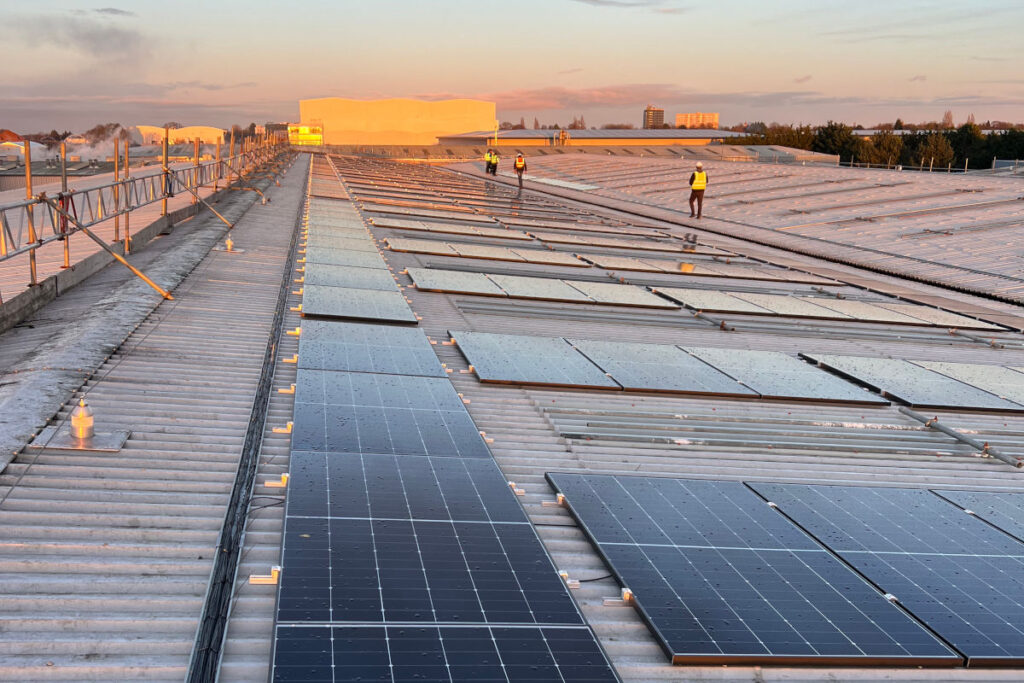
Warehouses and factories are among the most suitable building types for rooftop solar PV not simply because of their size, but because of how they operate.
Large roof areas, predictable daytime energy demand and long-term site occupation create ideal conditions for onsite generation. When designed properly, solar PV can reduce grid reliance, stabilise energy costs and support carbon reduction targets without interrupting production or logistics.
However, successful delivery in industrial environments requires more than available roof space.
Understanding the Industrial Energy Profile
Industrial and logistics buildings typically have:
High daytime electricity demand
Consistent base load during operational hours
Long tenancy periods or owner-occupation
Significant exposure to energy price volatility
This means solar PV can often achieve high levels of onsite consumption, reducing the need for export and simplifying grid strategy. For many operators, this creates a predictable and measurable energy benefit.
What Matters Most in Warehouse and Factory Projects
In industrial environments, energy performance is only one part of the equation. Construction planning, structural capacity and operational continuity are equally important.
Key considerations include:
Structural verification of roof loading
Integration with existing building services
Crane access and logistics planning
Sequencing works around live operations
G99 and grid-connection strategy
Solar PV systems should be designed around the building’s structure and operational reality, not simply around available roof area.
Delivery in Live Operational Environments
Factories and warehouses rarely shut down for energy upgrades. Installations must be planned around ongoing production, stock movement and access requirements.
A structured approach, including early-stage feasibility, detailed method statements and coordinated contractor scheduling, ensures projects are delivered safely and without disruption.
This is particularly important on multi-tenant estates or logistics hubs where multiple stakeholders are involved.
Long-Term Performance and Maintenance
Industrial operators typically take a long-term view of assets. Solar PV systems should be supported by structured maintenance programmes, performance monitoring and clear documentation to ensure output remains within expected design parameters.
When properly maintained, rooftop solar becomes a stable, predictable component of the building’s energy strategy.
Solar as Part of a Broader Energy Strategy
For warehouse and factory operators, solar PV is rarely the sole solution, but it is often the most straightforward first step.
Integrated correctly, it can:
Reduce exposure to grid price fluctuations
Support sustainability reporting
Improve asset value
Demonstrate practical progress toward carbon targets
The key is early integration into project planning, ensuring that structural, grid and operational factors are addressed from the outset.
Read about our industrial, warehouse and factory solar system case studies.