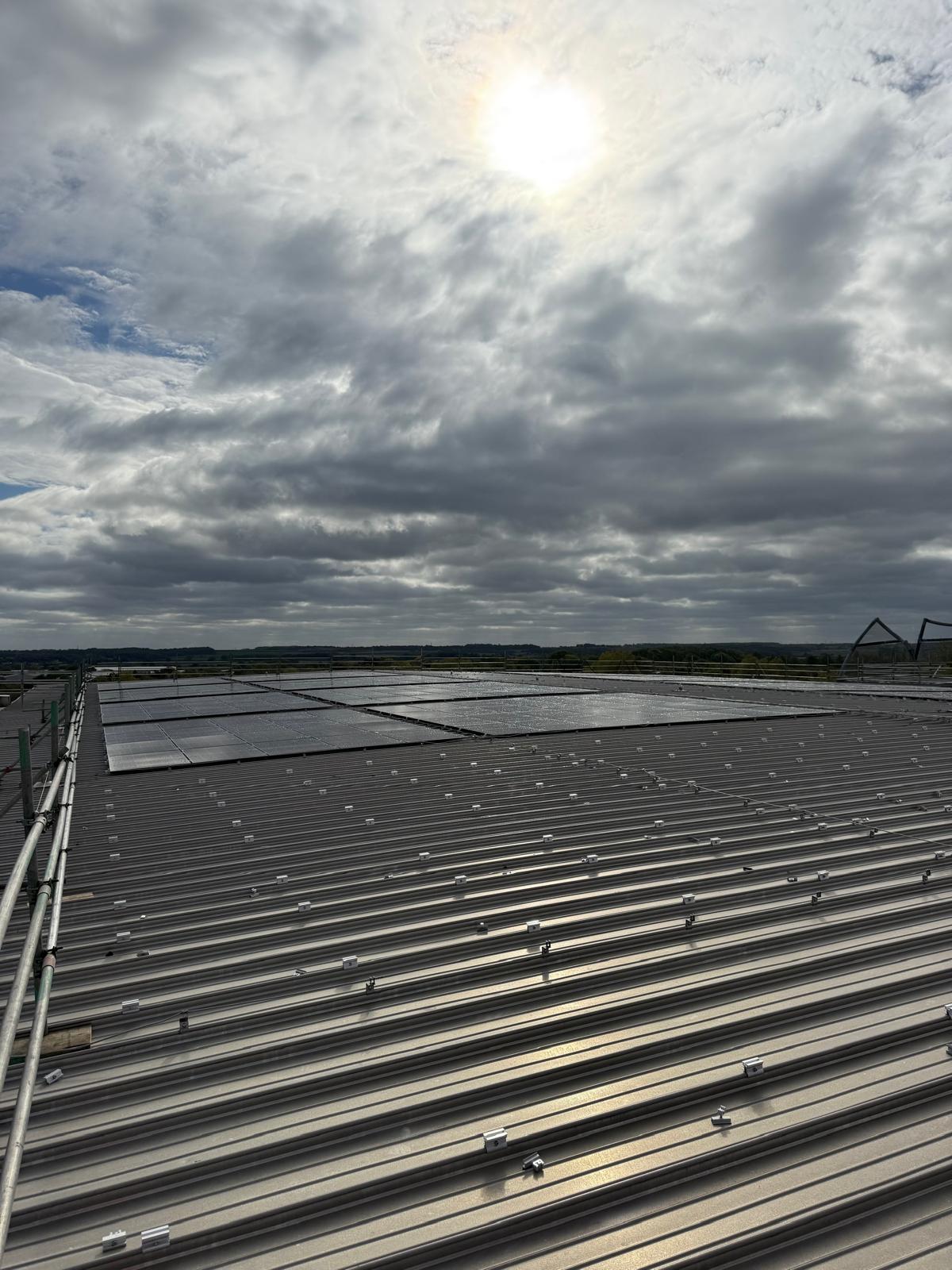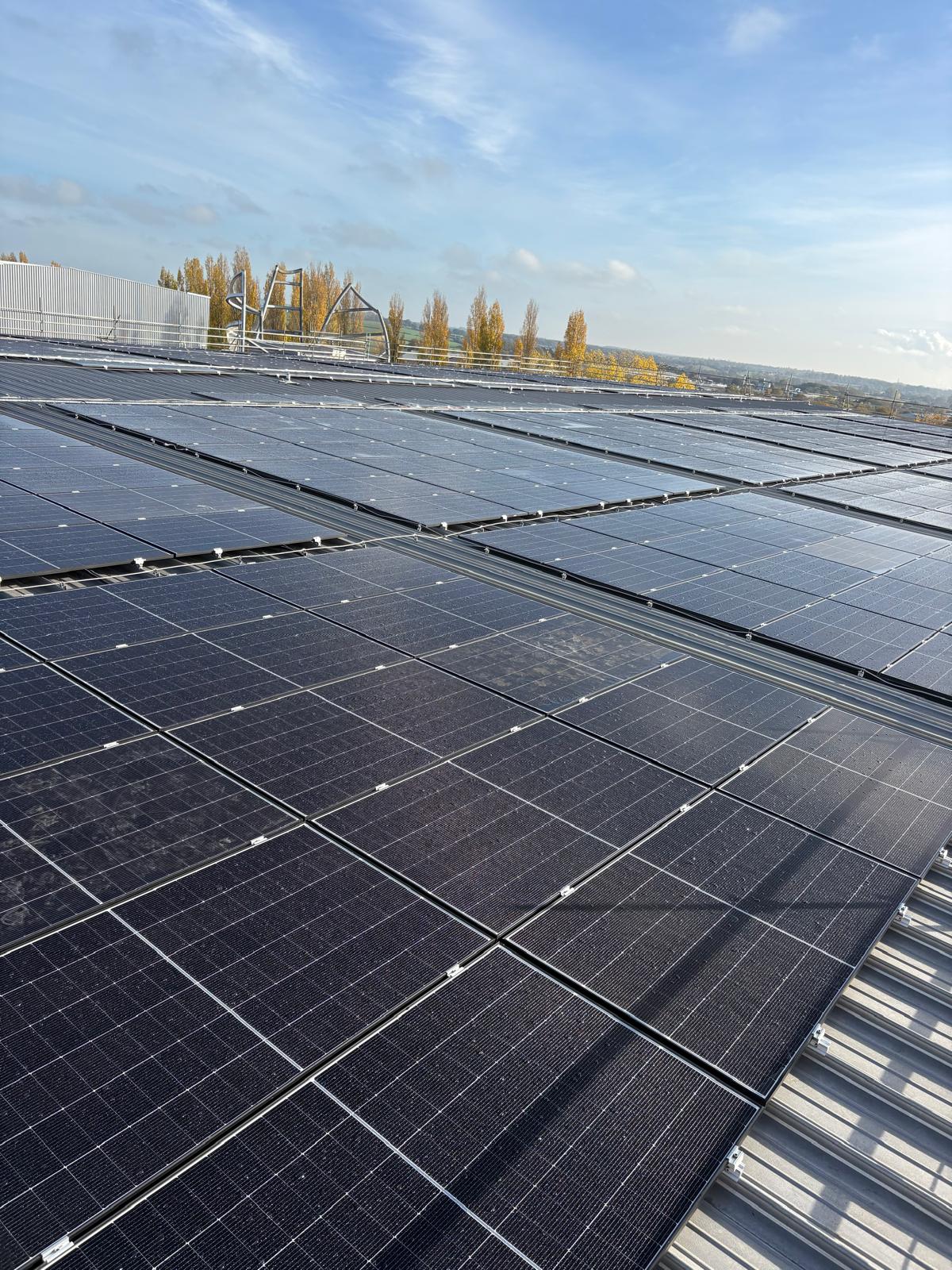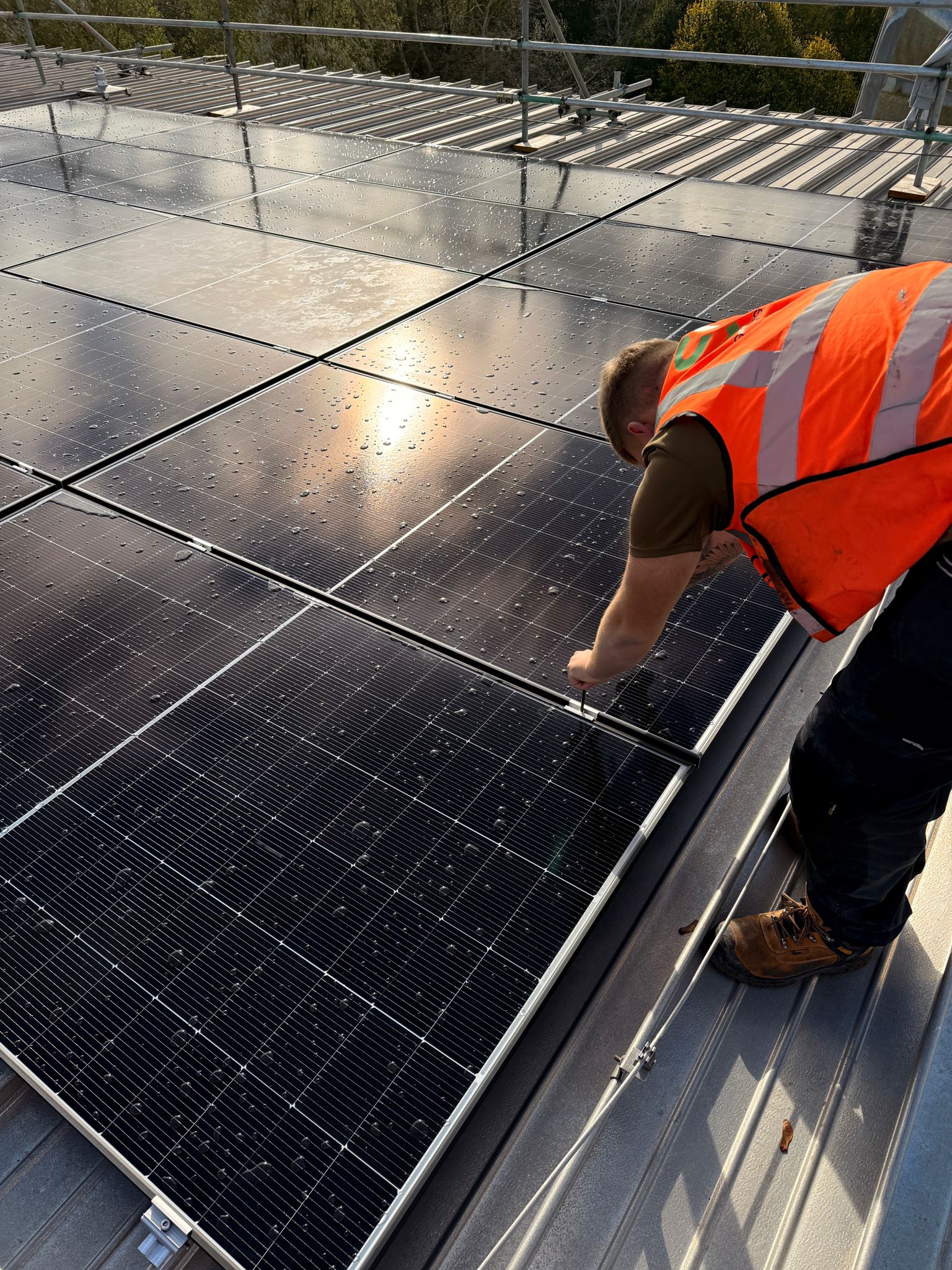
The British Library’s Boston Spa campus is one of the UK’s most important cultural storage and logistics sites, housing millions of archived items, many rare and irreplaceable. As a high-security building with strict environmental controls, the site operates under conditions where vibration, dust, temperature fluctuations and structural disruption are unacceptable. We were commissioned by CBRE to design and install a system that would reduce long-term energy costs while ensuring full operational and environmental protection for the facility.
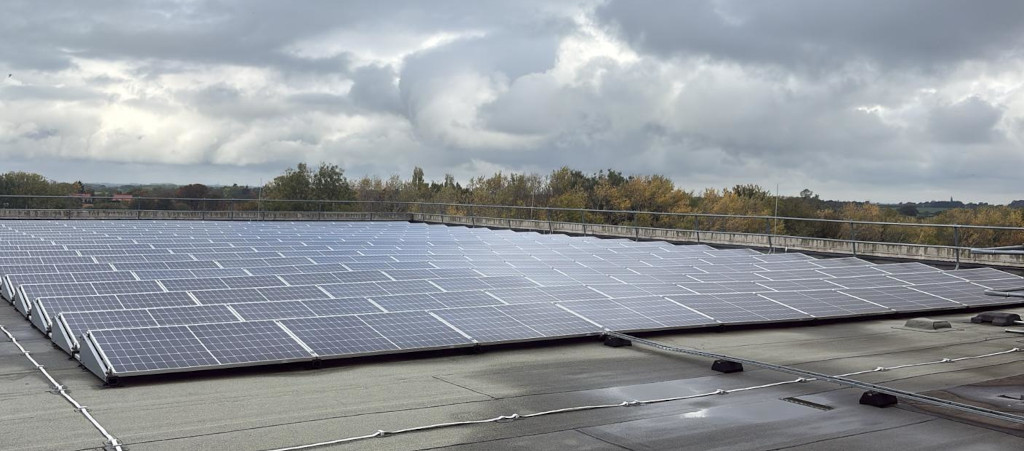
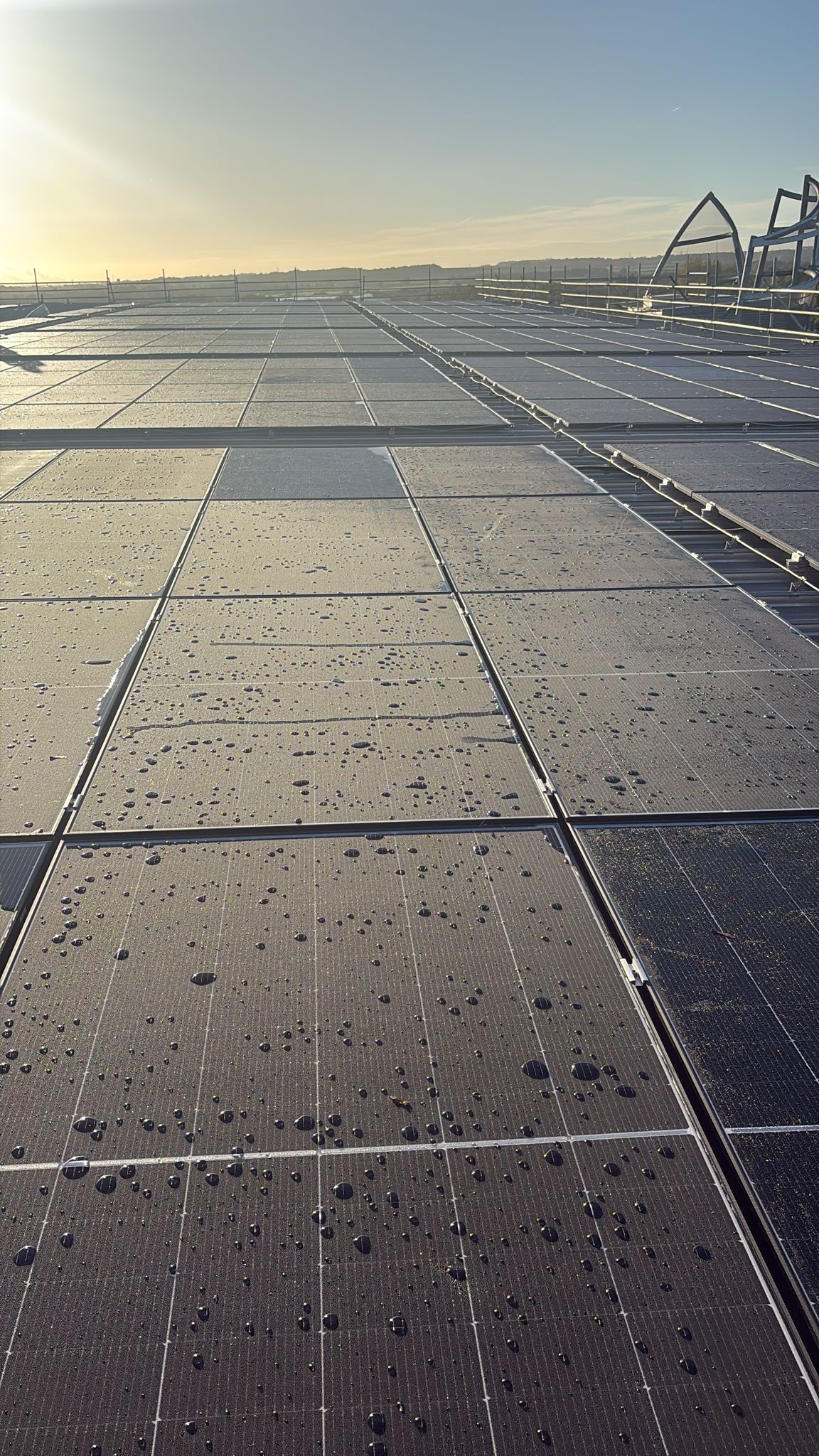
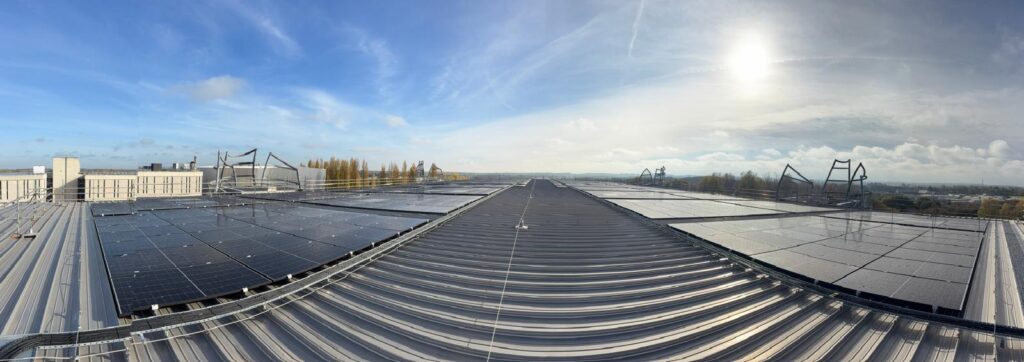
The completed installation totals 426.12 kWp, using 804 JA Solar modules across two roof sections and covering 1,880.9 m², generating 363,610 kWh annually and achieving 99.9% onsite utilisation. With site consumption exceeding 4 million kWh per year, the solar array provides valuable daytime generation that supports the Library’s logistics, climate control and building services.
A Logistically Complex Installation on a Highly Sensitive Building
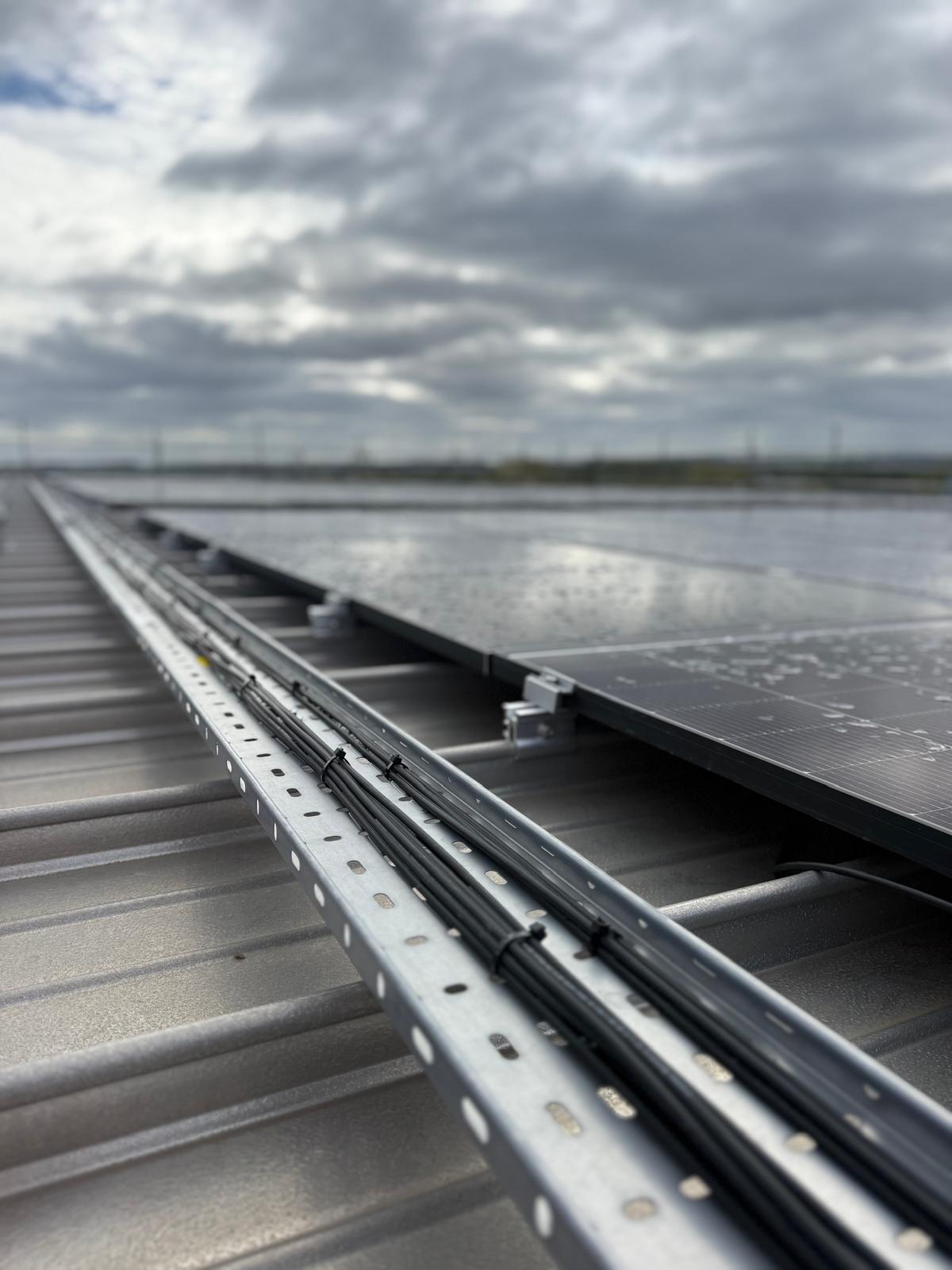
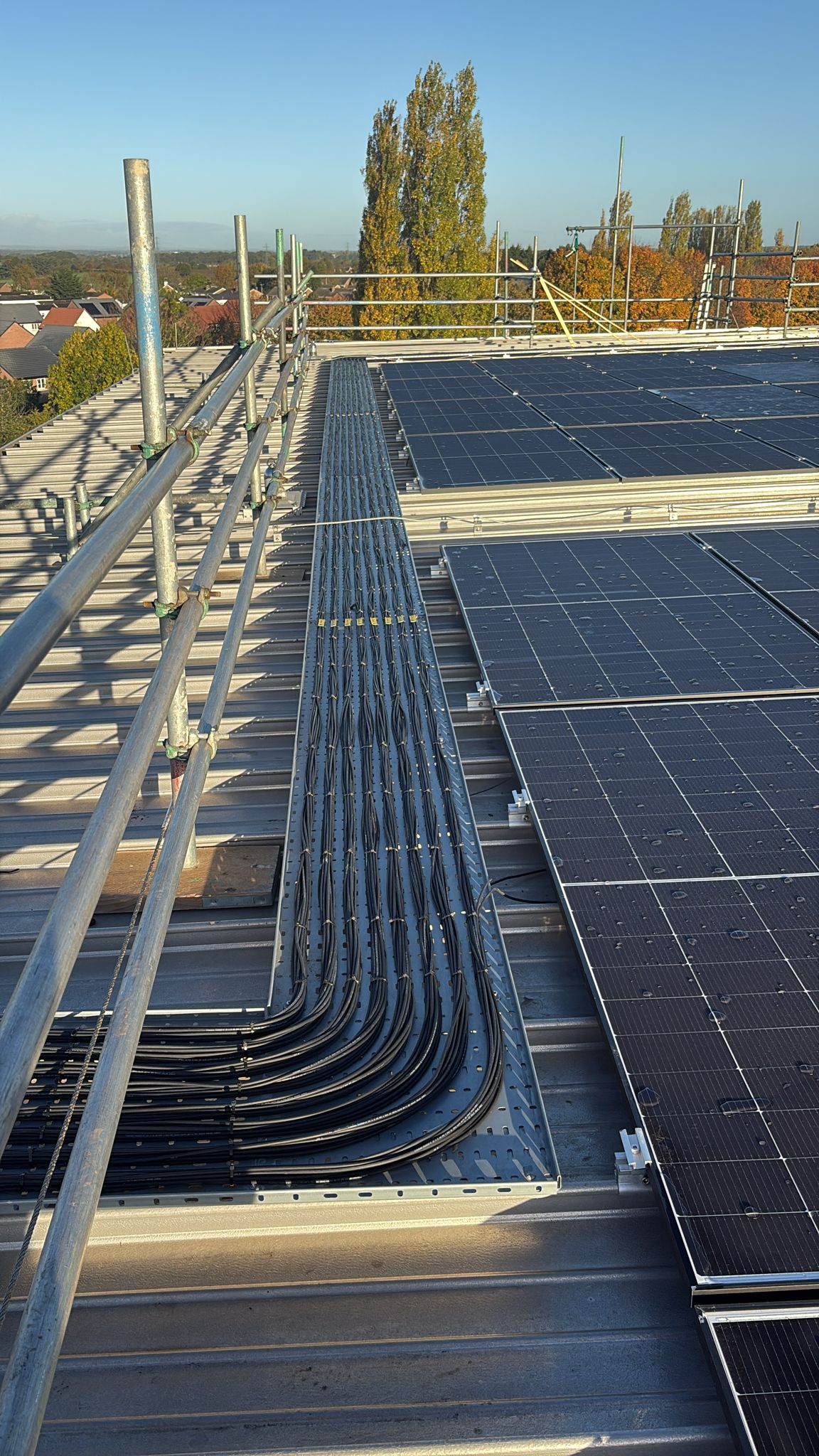
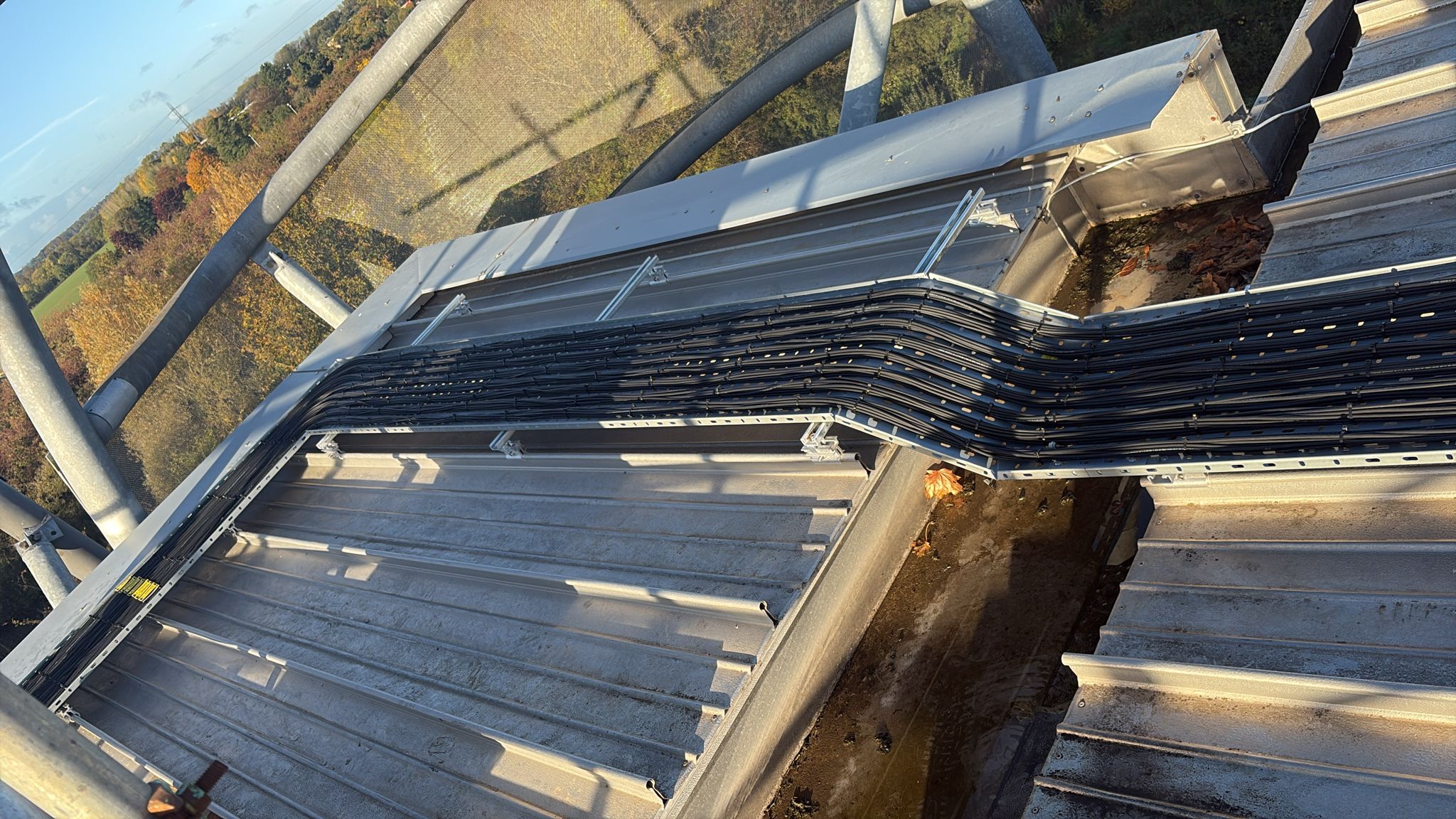
Delivering a project of this scale on such a sensitive building required a carefully engineered approach. None of the cabling could pass through controlled archive areas, meaning the electrical design had to work entirely externally. This led to the installation of 30km of DC cabling, routed along complex pathways that protected the building, maintained compliance with all safety requirements, and avoided any disruption to the internal climate-controlled zones. The site was also home to several other concurrent construction projects, so we coordinated movements through a strict traffic and logistics plan, ensuring safe access, timed deliveries and continuous communication with other contractors.
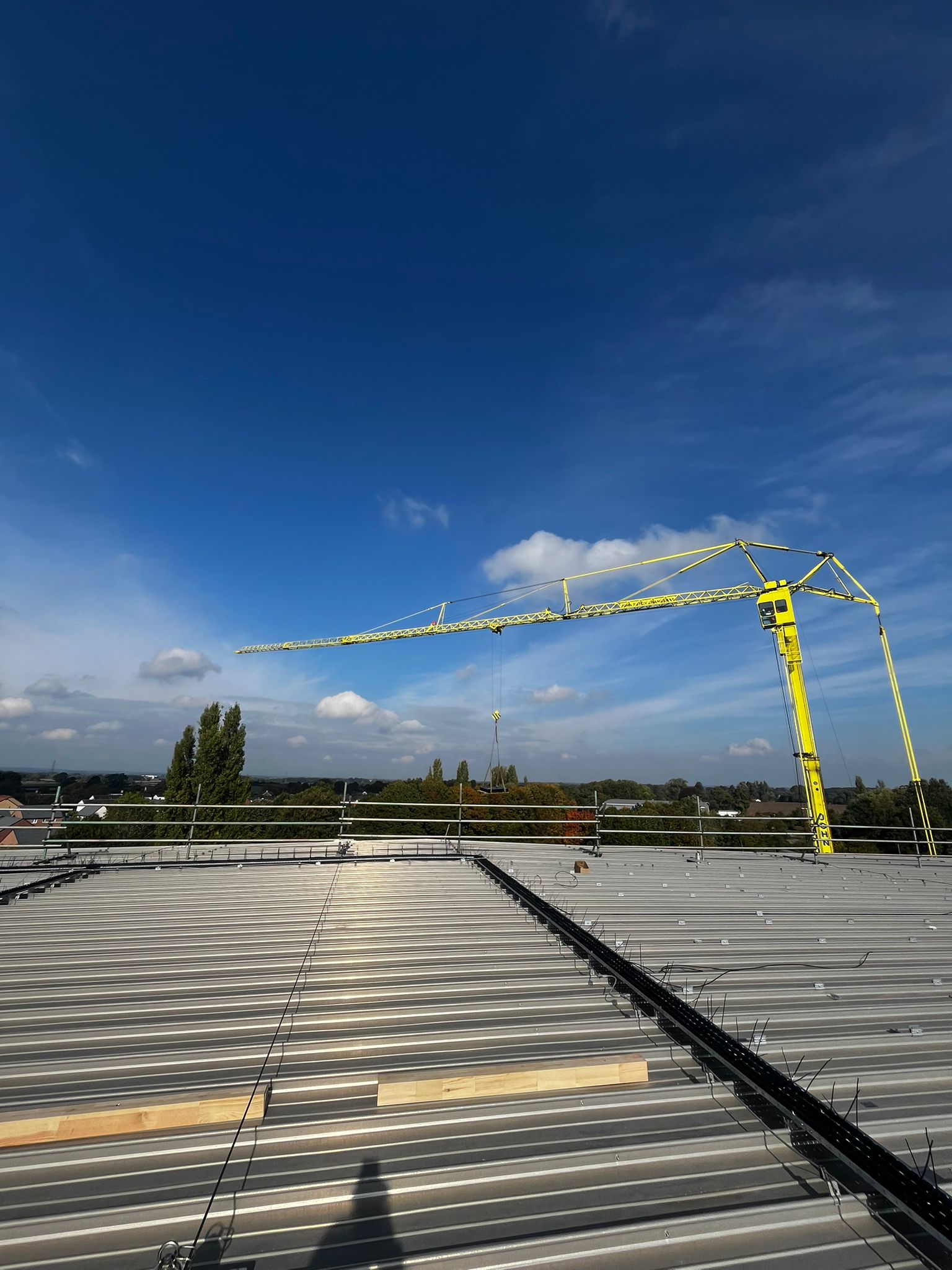
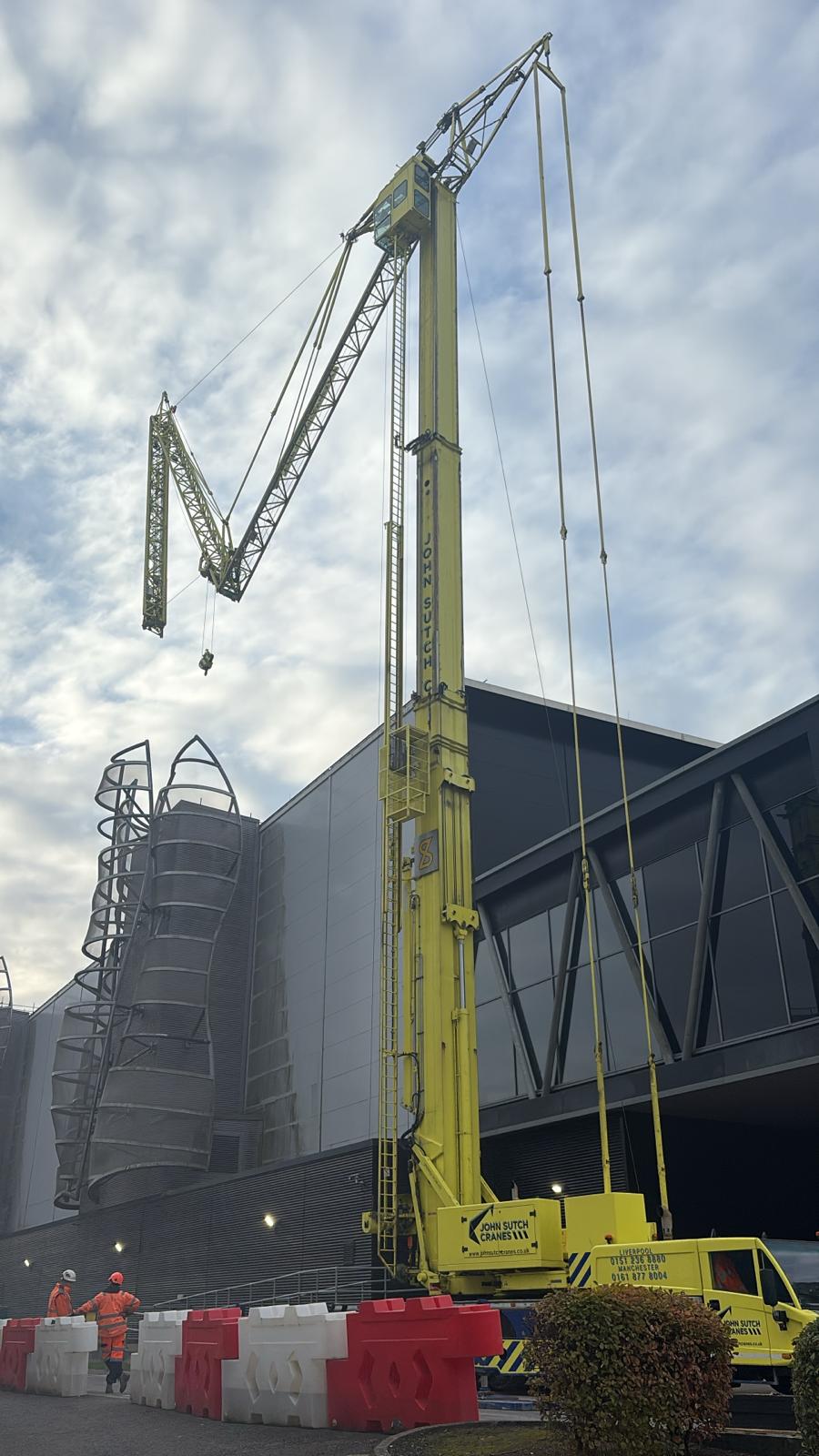
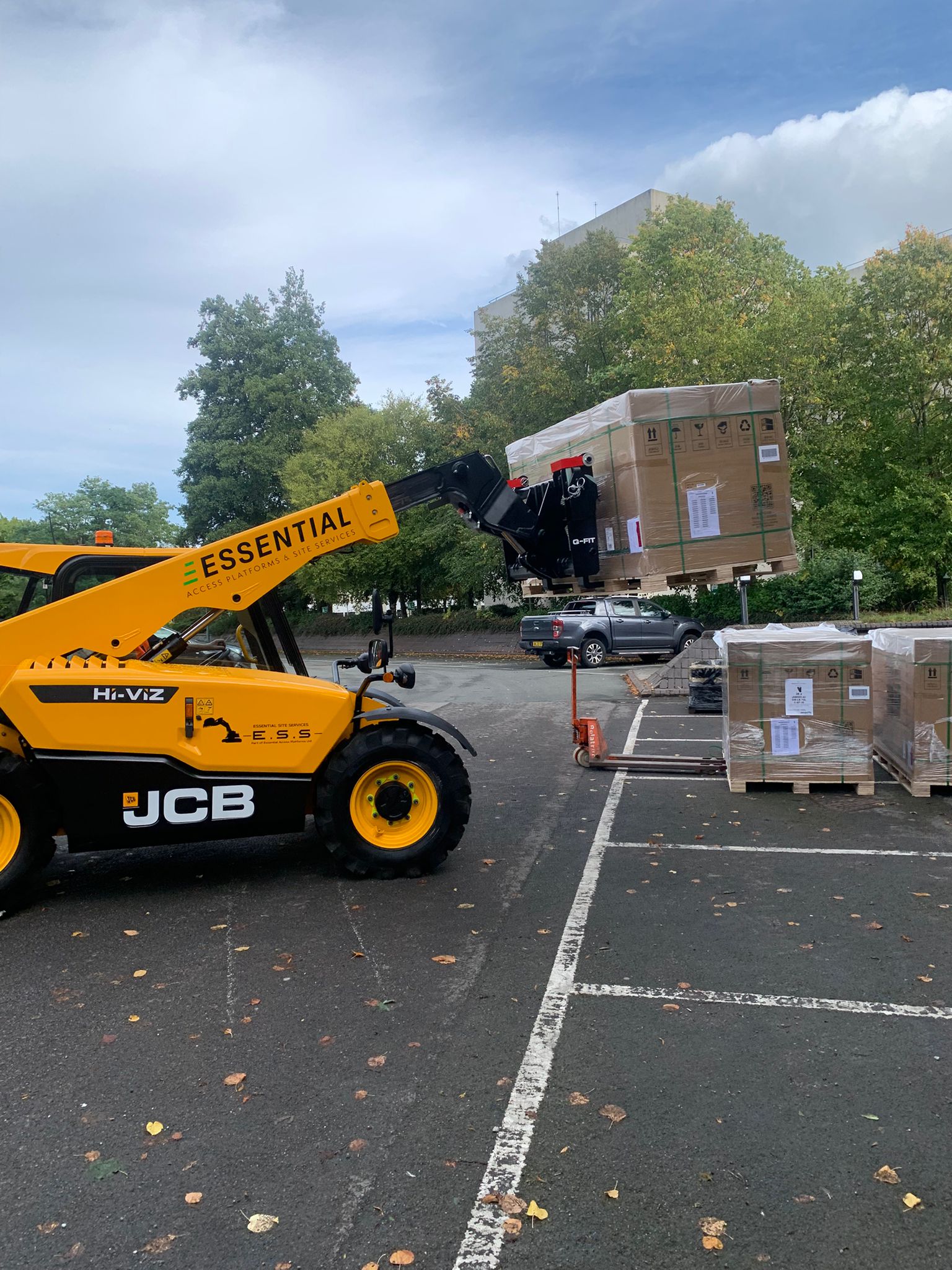
Access challenges shaped much of the programme. Ongoing works elsewhere on the campus restricted crane positioning, meaning lifts had to take place from limited locations with carefully controlled reach. All materials were lifted directly to the roof using a large mobile crane operating within these constraints. Strict pallet-weight limits and roof-loading restrictions meant all materials were broken down into smaller quantities, and each stage of loading was planned in advance to safeguard the structure. In parallel, we arranged specialist cleaning of the roof and building exterior using eco-friendly products, improving the condition of the site and optimising panel performance.
A particularly demanding aspect of the project involved work in a confined-space area required for part of the AC cable route. This space had reduced oxygen levels, meaning teams had to follow strict confined-space procedures, including continuous atmospheric monitoring. If oxygen levels dropped below the safe threshold, evacuation was mandatory. Our safety planning ensured all work was carried out without incident. Ground surfaces disturbed during plant access were reinstated with new topsoil and re-seeding, and follow-up checks confirmed the area has since recovered well.
Installation Quality: High-Spec Inverters & Cabling
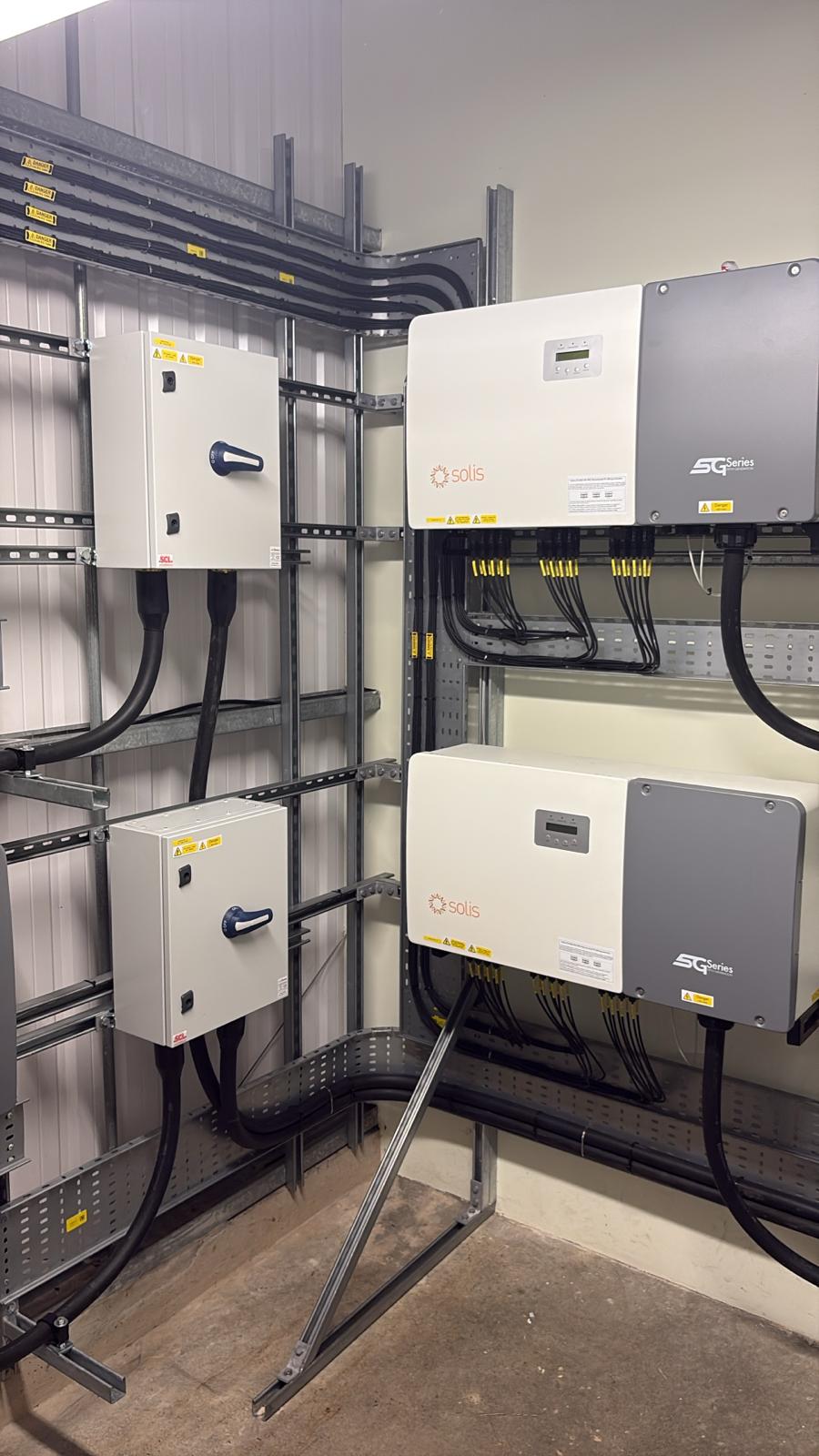
Technical integration was equally critical. Four Solis 80K-5G Pro inverters were selected for their efficiency and multi-MPPT capability, ensuring reliable operation across the large dual-roof layout. All electrical work was completed to MCS MIS 3002 and BS 7671 standards, with oversized cable specifications and robust containment to support long-term durability. Because the Library already had a complex lightning protection system, the solar installation was integrated, including the addition of Type 1 surge protection to guard against transient overvoltages. We also connected the PV array to the building’s Honeywell fire-alarm system, enabling automatic shutdown in the event of an alarm trigger.
The overall impact of the systems is:
363,610 kWh generated annually
75,260 kg of CO₂ saved per year
4.3-year payback with a 27.18% IRR
99.9% onsite use, ideal for high daytime demand profiles
The British Library B31 installation demonstrates our capability to deliver technically complex solar projects on sensitive, high-value buildings without disruption to operations or compromise to building integrity. Through collaborative planning, disciplined safety management and high-quality engineering, we delivered a system that supports both the Library’s operational needs and its long-term sustainability goals.